

 Landlord Products / Services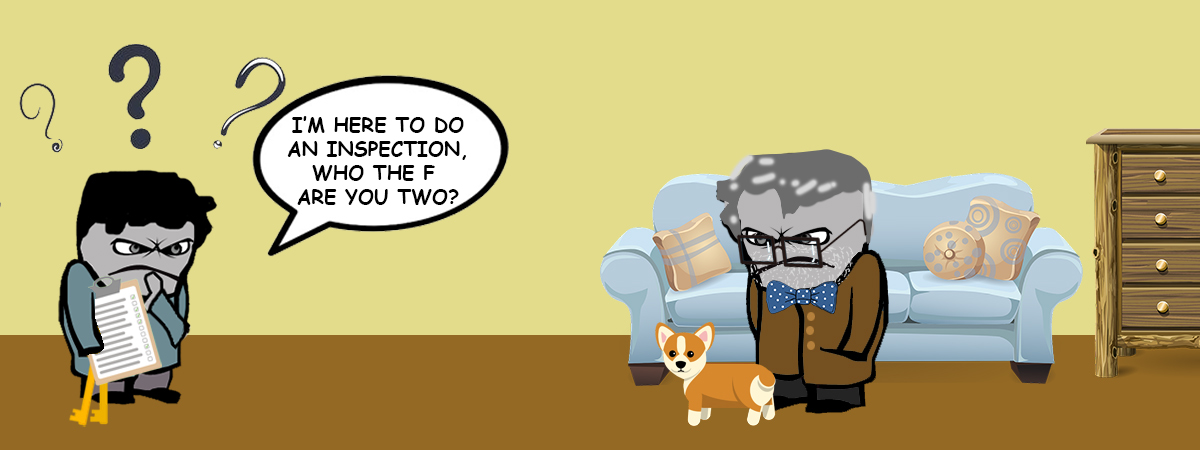
Sub-letting is one of those circumstances that can swing either way, it can be a beautiful thing or a complete pain in the ass.
If you’re a landlord, you’re probably reading this for one of two reasons:
- 1) You’ve recently discovered your tenant is sub-letting and you want to know the legal implications i.e. what your rights are.
- 2) You’ve had problems with a sub-tenant, and now you want to know how to get rid of the bugger.
In reality, most landlords don’t even know their tenant is sub-letting. Worrying! But that’s presumably not a problem (and it’s not in most cases), because if you’re unaware, it means the tenant is paying rent on time and everything is running smoothly. In other words, [sometimes] ignorance is bliss.
Personally, if I discovered my tenant was sub-letting without my consent, yet rent was paid on time every month and the property was being taken care as discovered through regular property inspections, I wouldn’t rock the boat. I mean, what’s the point? Sure, I’d probably be a little annoyed because my toe-rag tenant didn’t have the courtesy to ask for my permission, but beyond that… meh. I want an easy life.
In any case, let’s run through the FAQ’s…
Page Contents
What Is Subletting?
Just so we all start from the same page…
When a tenant makes an agreement to accept rent from a person who is not part of the original tenancy agreement we call that sub-letting.
The sub-tenant/sub-letter (is that a word? Sounds more like a short note) has no legal relationship with the landlord, but is contributing to the rent.
Only the “official tenant” (let’s call him the OT) has the rights of a tenant, and the landlord only has legal obligations to the OT.
The OT is pretty much in the same position whether he has agreed with the landlord that he will be sub-letting or is sub-letting without that agreement (but it’s usually without the owners’ knowledge). The sub-tenant, to keep it simple, is the OT’s lodger, and has the rights of a Lodger, therefore the sub-tenant is NOT technically a tenant, so does NOT have tenant’s rights.
Key Things to Consider Before Allowing Subletting
If you are deciding whether to permit subletting – perhaps because your tenant has requested it – it is important to consider the following:
- Check for Potential Restrictions First: It is not uncommon for mortgage terms, lease agreements, or landlord insurance policies to prohibit subletting. These potential restrictions should be carefully reviewed before proceeding, as breaching them could have serious consequences. In some cases, subletting may still be possible, but it is not something to assume either way without checking.
- Consider the Exit Risk: Think about what happens if the original tenant (“OT”) moves out and you have no direct agreement with the subtenant remaining in the property. You could become reliant on the original tenant to remove them, which may create a more complicated legal situation if they do not cooperate.
- Weigh Up the Commercial Impact: If you refuse subletting and both parties decide to leave, you may need to find new tenants. This can involve additional time and costs, especially if a void period arises during remarketing, along with the usual re-letting expenses.
Why Do Some Tenants Sublet?
- Financial Pressure: Sometimes it is a simple case of economics — the tenant wants to stay in the property but can no longer afford the rent and/or ongoing living costs. In some cases, their financial circumstances change during the tenancy, so they take in a lodger or subtenant to help share the bills.
- Loneliness or Lifestyle Reasons: In other situations, tenants may feel lonely or insecure living alone, particularly in less desirable areas, and prefer to have someone else in the property for company or peace of mind.
- Rent-to-Rent Arrangements: Some tenants operate a “rent-to-rent” model, where they effectively run a small rental business from the property. This can be mutually beneficial for both tenant and landlord when structured correctly. A rent-to-rent arrangement typically involves an individual or company (the “operator”) agreeing to pay the landlord a fixed guaranteed rent for a set period, while subletting the property to other occupants at a higher total rent.
How Can Landlords Prevent Subletting?
If you are firmly against subletting – and many landlords are, which is completely understandable (it does add an extra layer of complication) – the following steps can help reduce the risk or help you identify it sooner rather than later:
- Regular Property Inspections: Carry out regular property inspections. Here is a guide to landlord property inspections. Simply showing that inspections are routine can act as a deterrent and may discourage unauthorised arrangements.
- Neighbour Awareness & Intelligence: Build good relationships with neighbours – there is often a “curtain twitcher” nearby who will notice unusual activity. Take time to speak with them between tenancies and during inspections, and ensure they have your contact details.
- Clear Subletting Clause in Tenancy Agreement: Include a clear clause in your tenancy agreement prohibiting subletting. If this is ignored, you may have grounds to serve a Section 8 eviction notice. Without such a clause, tenants may interpret silence as implied permission. A typical clause might read:
5.5 Assignment and Subletting
5.5.1 The Tenant agrees not to assign, sublet, part with, or share possession of the Premises with any persons other than those named as the Tenant or any other person approved in writing by the Landlord.5.5.2 The Tenant must not take in lodgers or paying guests without the Landlord’s prior written consent.
- Maintain Open Communication: Maintain a good working relationship with tenants so they feel comfortable discussing financial difficulties. This can increase the likelihood that they will inform you before considering subletting.
- Thorough Tenant Referencing: Carry out thorough tenant referencing checks.
My Tenant Has Sublet Without My Permission – What Can I Do?
Unauthorised subletting is where things can start to go seriously wrong, and it is becoming increasingly common. It typically falls into two main scenarios:
- Scenario 1: Your tenant is renting out another room or space within your property without your permission.
- Scenario 2: The more serious case, where your tenant does not actually live in the property and has sublet the entire home (i.e. rent-to-rent).
Scenario 1:
If you discover that your property is being sublet without permission, the first step is to assess whether it is actually causing a problem. As already mentioned, it may not be worth escalating the situation if rent is being paid on time and the property is being maintained properly. If that is the case, you may choose to discuss the situation with your tenant and agree a way forward, provided there are no other restrictions in place (for example, mortgage conditions, insurance requirements, or lease terms).
Scenario 2:
In many cases, the outcome is far less straightforward. Some individuals operate unauthorised subletting arrangements as a business, and this is where the situation can become serious.
This is when the original tenant (OT) effectively creates separate agreements for individual rooms and lets them out to multiple occupants, acting as a landlord without authorisation. This can lead to several issues. Firstly, subtenants may not know who the legitimate landlord is, and if problems arise, they may not be properly addressed or resolved. Secondly, unauthorised subletting often results in overcrowding, as the operator may try to maximise profit by fitting in as many occupants as possible, which can increase wear and tear and the risk of damage.
Regardless of whether your situation falls under Scenario 1 or Scenario 2, consider the following steps:
- Decide Your Position First: First and foremost, decide whether you are open to the idea and whether subletting could realistically work for your circumstances. You are under no obligation to agree, but it may be worth considering if you have a reliable tenant and want to retain them.
- Speak to the Original Tenant First: Speak to the original tenant directly to clarify the situation and make them aware that the issue has been identified.
- Engage With the Subtenants: Speak to the subtenants directly to ensure they understand the situation, as they may not be fully aware of the arrangement.
- Check for Potential Restrictions: Check your mortgage terms, lease agreements, or landlord insurance policies if they prohibit subletting.
Evicting a Subletting Tenant
Important: Never accept rent directly from a subtenant, as this may be interpreted as granting them a tenancy and could complicate your legal position.
If there has been a breach of the tenancy agreement (for example, subletting is not explicitly permitted), the following steps may help guide your response:
- Legal Position (Key Point): In most cases, you do not directly evict or repossess a subtenant yourself. You generally cannot take direct action against them, even if you have never met them but allowed your original tenant (OT) to sublet.
Instead, the legal relationship is typically with your original tenant, who remains responsible for the occupation of the property.
- Speak to the Original Tenant First: Speak to the original tenant directly and explain that they have breached the terms of the tenancy. You may request that they remedy the breach, surrendering the tenancy and vacate (whether that be both parties or just the subtenant), or face formal action. In some cases, they may agree to end the arrangement immediately.
- Engage With the Subtenants: If that fails, speak to the subtenants directly to ensure they understand the situation, as they may not be fully aware of the arrangement. They may be willing to vacate voluntarily.
- Check Alternative Breach Grounds: If there is no specific subletting clause, you may still be able to rely on other contractual or legal restrictions, such as mortgage conditions or insurance terms, to require compliance and the removal of subtenants.
- Consider Formal Legal Action: If necessary, you may consider serving a Section 8 notice if there is a breach of the tenancy.
Who Is Responsible for the Subtenant?
The original tenant (OT) is responsible for anything that happens in the property during their tenancy, including the actions of any subtenants they have allowed into the property.
A subtenant has no direct legal relationship with the landlord. However, care should be taken not to inadvertently create one – for example, by accepting rent or a deposit directly from the subtenant.
If there is any damage or breach of the tenancy terms, costs can typically be recovered from the original tenant’s deposit, in line with the terms of the tenancy agreement.
When a Subtenant Becomes a Lodger
Remember, if your tenant has taken in a subtenant, that person is technically your tenant’s lodger, not your tenant — and not someone you have a direct tenancy relationship with. In other words, they are your tenant’s responsibility, not yours.
That means the subtenant may have lodger-style rights, depending on the arrangement, and would generally fall under lodger-related legal protections rather than tenancy rights. For more information on lodgers – particularly their rights and how lodger arrangements work — you may wish to visit the Lodger Site.
Please note, you should always seek independent legal advice before taking any action. The content on this website is for informational purposes only and is based on personal opinion and experience. For further guidance on subletting and lodging, you may also find the Citizens Advice website helpful.
So, why did you end up here, friend? What’s your story? Do you have a good or bad sub-letting experience? Please leave a comment and share it with the world…
Landlord out xo
Disclaimer: I'm just a landlord blogger; I'm 100% not qualified to give legal or financial advice. I'm a doofus. Any information I share is my unqualified opinion, and should never be construed as professional legal or financial advice. You should definitely get advice from a qualified professional for any legal or financial matters. For more information, please read my full disclaimer.

























My tenant has CLAIMED in court that my managing agent had given him VERBAL consent to sub-let.
NOTE the AST agreement clause prohibits SUBLETTING WITHOUT CONSENT.
If there is no specific reference to 'consent in writing'is the tenant defence strong?