

 Landlord Products / Services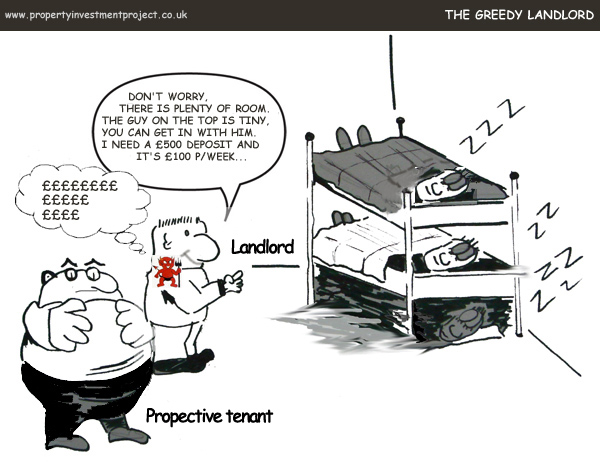
Many of my friends rent. In fact, the majority of them do, so I’m frequently getting the inside scoop on how other Landlords run their ship.
One thing is evidently clear – there is no need to worry – because there certainly isn’t a national shortage of asshole landlords cutting corners in order to save a few bucks!
While I’m not surprised by the sad state of affairs, I’m still constantly feeling overwhelmed by how many cowboys roam among my kind.
I want you to avoid those types of landlords, so here are my top tips on how you can do exactly that…
With a growing amount of landlords self-managing their rentals (because management fees are ridiculous), the chances of you dealing directly with a landlord (as opposed to a letting agent) is pretty likely, and becoming more likely by the day.
I’ve been managing my own rentals ever since online letting agents emerged approximately a decade ago, and I haven’t looked back. Not only has it massively reduced my running costs, but it’s also resulted in better and more personable relationships with my tenants, which has positively impacted the retention rate!
It’s pretty easy for me to say I’m one of the “good one’s” – and I won’t expect you to take my word for it (I am a landlord, after all) – but I still have faith in the fact that if you’re a new or soon-to-be tenant, you won’t completely side-step my advice on how you can avoid the said dip-shits.
Note, my list of tips on how to find a good landlord can all be addressed BEFORE signing any tenancy contracts! Obviously, the whole point is to identify a potential scum-bag before you’re locked into a contractual agreement.
Signs of a good landlord!
Legal Compliance and Meeting Landlord Obligations
Perhaps the most important and obvious out of the lot.
However, the problem is that it’s difficult to know whether a landlord is completely compliant with their legal obligations before a tenancy is signed, but here are a few things you can look out for before:
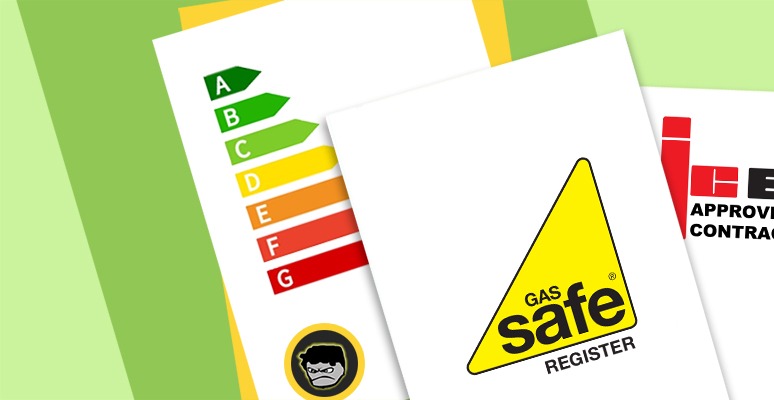
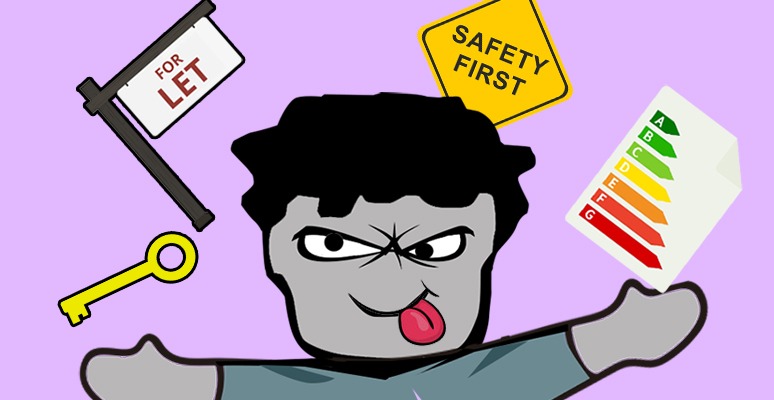
- EPC – it’s a legal requirement for landlords to show prospective tenants a valid Energy Performance Certificate before a tenancy is signed. Most landlords will show the EPC during the viewings.
- Gas Safety – Landlords are legally required to have an annual gas safety check by a qualified ‘Gas Safe’ registered engineer. While the landlord is obligated to provide tenants with a copy of the certificate to prove a check has been conducted once you’re a tenant, you should request to see the copy before.
- Smoke & Carbon Monoxide Alarms – Landlords in England are legally obligated to install smoke alarms on every floor, and provide carbon monoxide alarms if the property contains a solid fuel burning combustion appliance (e.g. a coal fire, wood burning stove). Obviously alarms are easy to check for during viewings.
While this may not be legally required for all UK landlords, I believe every decent landlord will provide fully-functional smoke alarms as matter of good sense.
- Selective Licensing Scheme – Some residential rental properties, depending on location, may require a license before landlords are permitted to let their property. You can check on the local council’s website to see a license is required in the area which you intend to move to. If so, you should request to see if your landlord has a valid one.
The Selective Licensing Scheme should not be confused with a HMO license, although the principle remains the same. If you intend to rent a room in a HMO property, then your landlord will most likely need a HMO license. So in that case, you should request to see the HMO license.
Prompt Repairs and Property Maintenance
This point kind of overlaps with the landlord’s legal obligations, because every landlord is required to keep on top of repairs & maintenance. Under Section 11, Landlord and Tenant Act 1985, the landlord is responsible for:
- keeping the structure and exterior of the property in good repair, including drains, gutters and external pipes
- keeping installations for the supply of water, gas, electricity and sanitation in good repair and proper working order
- keeping installations for space heating and water heating in good repair and proper working order
You should check everything is in safe working order. If anything seems in disrepair during the viewing, you should question it with the landlord and find out when it will be addressed.
On a sidenote, I would avoid committing to a tenancy agreement until those issues are properly resolved!
Reliable and Punctual Communication
I’m a stickler for punctuality, and when someone isn’t on time it tells me that they believe their time is more valuable than mine! It isn’t.
I understand shit happens; we will all be late for something at some point, and I’m cool with that, so I pay attention to how the matter is dealt with.
If a landlord (or anyone, including tenants, for that matter) is late for a viewing for example, without good reason, without giving prior notice (when possible) and is unapologetic, it’s very telling of their character, in my opinion.
Repeat offenders’ are a complete no-no, despite how nice they are about it.
It’s a sign of things to come and I don’t want to do business with unreliable, and quite frankly, rude people. Nor should you.
Responsive and Clear Communication
Similarly with being punctual; unless there are extenuating circumstances, the landlord should be contactable and responsive. I reply to all my tenants with in 24 hours (usually with in a couple of hours). Latest 48 hours.
One of the advantages of dealing directly with a letting agent is that they’re generally always contactable (during office hours, at least), so if a landlord wants to be self-managing, they need to resume the role properly. Otherwise you’re better off dealing with a letting agent.
If at any point during the lead up to signing a tenancy there is a lack of communication which makes you feel uncomfortable, don’t let it go unnoticed.
Once again, it’s probably a sign of things to come!
You should want an active landlord so they can address issues quickly, especially in the event of any emergencies (e.g. heating or water issues).
Thorough Tenant Referencing and Screening Process
One of the main priorities of EVERY landlord should be to secure reliable tenants that will pay rent on time and take care of their property (i.e. treat it like a home). That’s all I want and expect from my tenants.
The best way find tenants of that ilk is to conduct stringent referencing.
I’d be extremely wary of landlords that don’t insist on conducting credit checks, references from previous/current landlords and previous/current employers, and ask relevant questions (i.e. what your circumstances are, and your reason for renting/moving), because it either means they’re incompetent or potentially running a scam. Either way, best avoided.
On that note, you may want to check out a list of common scams that tenants fall victim to.
Willingness to Provide References
Not only should landlords reference tenants, but tenants should also reference landlords. That may consist of:
- Getting references from current and/or previous tenants
- Checking the landlord’s ID to ensure you’re dealing with the person they say they are
- Checking land registry papers to ensure they actually own the property (this will avoid one of the most common scams, whereby unauthorised people illegally let someone else’s property)
Decent landlords will NOT have an issue with reasonable interrogation from the tenant. Any landlord that does is either unreasonable or hiding something sinister.
Friendly, Professional and Approachable Attitude
Yup, first impressions count.
I’m always welcoming and friendly whenever I meet prospective tenants (I like to think I’m always like that anyways). After all, this could be the start of a long relationship so I want it to start off on the right foot.
I also make it clear I’m happy to answer any question related to the tenancy.
Many tenants make the fatal mistake of ignoring first impressions because they believe it’s relevant, because once they’re in the property and start paying rent they won’t have to deal with the bad attitude. Grit and bear.
However, that couldn’t be further from the truth!
There will be times when you will need to contact your landlord, whether it be for repairs or anything else, and if s/he isn’t welcoming the first time you meet, they’re probably going to be a complete asshole when you approach them with an actual problem!
Distance and Ability to Respond to Emergencies
Other than saving a significant amount of money, I am also a self-managing landlord because all my rentals are within close proximity to my home. This means that if there is an emergency, I am able to attend the property quickly.
Things are not so straightforward when dealing with a self-managing landlord who lives on the other side of the country. If that is the case, ask how they handle emergencies that require an on-site response. This is not necessarily a deal-breaker, but it is something worth considering.
Well-Presented and Clean Property
A good landlord should ensure the property is presented in a clean and tidy condition. I am often surprised by landlords who do not make the effort to present their property properly during viewings.
There are, of course, exceptions, including:
- If the property is undergoing renovation or extension works
- If current tenants are in the process of moving out and have belongings packed
- If current tenants are not particularly tidy
Even in these cases, you should still be able to assess whether the property is generally well maintained.
Tenancy Agreement
First and foremost, your landlord should provide a written tenancy agreement and have it ready in advance, so you have plenty of time to carefully read it before signing.
The tenancy agreement should:
- Be written in plain English and easy to understand
- Clearly set out your responsibilities as a tenant
- Clearly set out the landlord’s responsibilities
- State which costs you are responsible for (for example, utility bills and council tax)
Here’s a blog post which covers more tips on how you can check whether your tenancy agreement is any good or not.
Tenancy Fees
Even though the tenancy agreement should cover it all, your landlord should clearly explain what fees you responsible for, including how much deposit is required and how much the rent is.
More importantly, your landlord should not enforce any unfair or unreasonable fees.
Since 1st June 2019, with the introduction of the “Tenant Fees Act 2019“, it’s actually illegal for landlords in England to charge tenants with any of the specified prohibited letting fees as per the legislation, which includes:
- Viewing Fees
- Tenancy set-up fees
- Inventory
- Check-out fees
- Professional end of tenancy cleaning (tenants will still be required to return the property in the state they received it in, and landlords can still recoup any repair costs from the deposit)
- Referencing fees / Credit Check fees
It is the landlords obligation to cover those costs, NOT the tenants!
If you’re a tenant outside of England, you won’t be protected by the Tenant Fees Act, however, you should still stay clear of landlords that try to enforce any fees that seem excessive/unreasonable.
Inventory and Check-In Documentation
Every responsible landlord should carry out a thorough property inventory. This protects both the landlord and tenant.
An inventory provides a fair and clear record of the property’s condition at the start of the tenancy, helping to prevent disputes over damages at the end.
Trust Your Gut Instinct
Finally, always listen to your gut instinct. Do not ignore it.
I have done so in the past, and it cost me. I once ignored concerns after being persuaded to proceed, and the tenant fell into arrears almost immediately. Lesson learned.
From a tenant’s perspective, it is easy to focus solely on the property and overlook the landlord. However, you should always consider the full picture — both the property and the person managing it. If the landlord does not tick your boxes, even the “dream home” can quickly become a nightmare.
Landlord out xo
Disclaimer: I'm just a landlord blogger; I'm 100% not qualified to give legal or financial advice. I'm a doofus. Any information I share is my unqualified opinion, and should never be construed as professional legal or financial advice. You should definitely get advice from a qualified professional for any legal or financial matters. For more information, please read my full disclaimer.


















Hi , love the site.
2 questions if you can help please ?
- is it worth getting special landlord insurance, if so what kind ?
- is it a legal requirement to have mains fed smoke alarms ?
Many thanks