

 Landlord Products / Services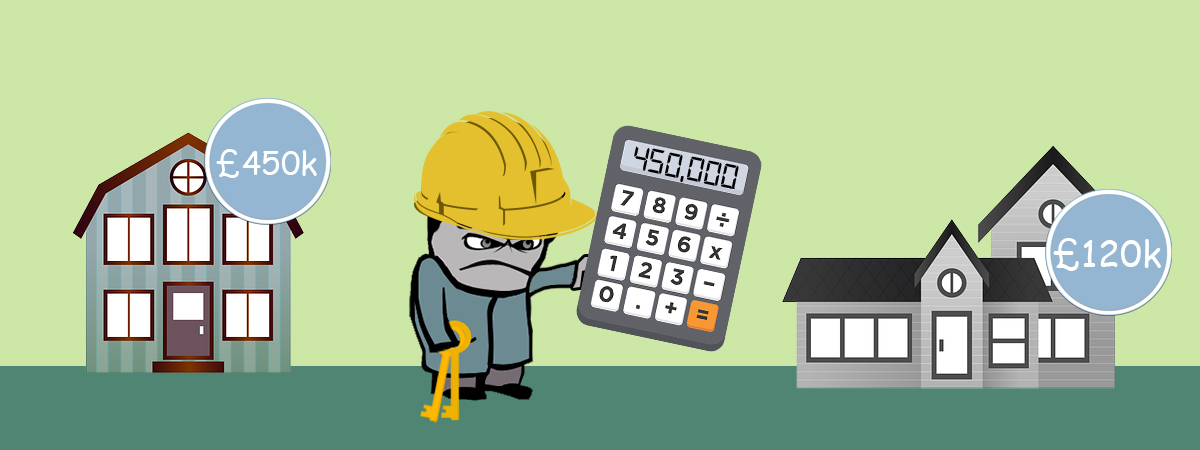
I would never tell anyone how or where to spend their money (please ignore the obnoxious title of this post), but I will say this: I would never buy a property without first commissioning a private survey from an experienced, qualified, local surveyor.
The purpose of a survey is to provide a detailed assessment of a property’s structural condition. It often identifies potential defects and underlying issues, and provides informed advice on repairs, maintenance, and valuation (typically far more accurate than the asking price or the mortgage lender’s valuation – more on that in a hot moment).
While surveys are usually optional (though, some lenders may insist on one), I always put it this way: I would rather risk “wasting” £500–£1,500 on a survey than gamble on buying a property with serious defects that could cost ten times that amount to rectify. Can you imagine? I genuinely couldn’t think of anything worse! Screw that.
To me, it’s a no-brainer.
Page contents
- Mortgage Valuations vs Private Surveys: How They Affect Your Home Purchase
- What is a Homebuyer survey?
- Which Homebuyer Survey Is Right for You?
- Why You Should Never Skip a Property Survey
- When’s the Right Time to Get a Homebuyer Survey?
- Do You Really Need a Survey Before Buying a House?
- Stick with a RICS-qualified surveyor when buying a house!
- Homebuyer Survey Costs: What to Expect
- How to Find a RICS-qualified House Surveyor?
- How to Pick a Trustworthy RICS-Qualified Surveyor
Mortgage Valuations vs Private Surveys: How They Affect Your Home Purchase
Understandably, there is often confusion around valuations and surveys when buying a property, particularly the distinction between a mortgage lender’s valuation and a surveyor’s role, because there is some overlap between the two. And if this is your first property purchase (congrats, by the way), how the hell are you meant to know?
When a mortgage is required, the lender will typically carry out a basic valuation to ensure the property is suitable security for the loan. In some cases, they may also require a survey as a condition of lending, depending on the nature and risk profile of the property (this is more common with older homes).
Mortgage lender valuations are usually very limited in scope, and there are two main reasons for that. First and foremost, they’re designed to protect the lender’s interests, not yours. The lender doesn’t care about the same things you do, and they may happily ignore defects that won’t concern them but could cost you a buttload to fix. Secondly, in my experience, these valuations are often done using algorithms and market data rather than someone actually turning up and properly inspecting the property.
If the lender does not require a survey, many buyers rely solely on the lender’s valuation – no judgement from me. However, it is important to understand the purpose of the lender’s valuation and the limitations of assessing a property without a thorough, in-person inspection carried out by a qualified surveyor.
Buyers who want a significantly more accurate valuation and a comprehensive inspection, particularly to identify potential structural issues, will typically commission an independent survey and valuation from a chartered surveyor.
What is a Homebuyer survey?
In short, it’s a detailed report that provides thorough insight into a property’s structural condition, often including a valuation.
They come in three flavours:
- RICS Home Survey Level 1 (Condition Report)
- RICS Home Survey Level 2 (HomeBuyer Report)
- RICS Home Survey Level 3 (Building Survey)
The most suitable survey for you will depend on the property’s type, age, and complexity, as well as how much detail you actually want.
The Level 1 report is a very basic, surface-level inspection designed to highlight obvious defects only. It’s typically recommended for newer, bog-standard properties (generally less than five years old) that are in good condition and have an easily accessible maintenance history. Level 1 surveys are relatively uncommon because they offer minimal detail and most people believe a survey is not necessary for a property that’s less than 5 years old.
Level 2 and Level 3 surveys are far more common, particularly for older properties, as they provide a much more detailed assessment – and more peace of mind. The Level 3 Building Survey is the most comprehensive option and is often recommended for older, larger, or more complex homes.
A survey may or may not include a valuation. Some surveyors include a valuation as part of their survey package, while others charge extra for it. So if you want an accurate valuation, then make sure it’s included with the service.
| Reallymoving.com | Rating | Notes / Includes | |
|---|---|---|---|
Supplier | Rating Google Reviews | Notes / Includes
| Get Quotes Average savings: £183 |
Please note, I try my best to keep the information of each service up-to-date, but you should read the T&C's from their website for the most up-to-date and accurate information.
Which Homebuyer Survey Is Right for You?
Putting aside the Level 1 survey, the general consensus is: go for a Level 2 survey if you just want a quick check-up on a modern’ish home which hasn’t been significantly altered, and choose a Level 3 survey for a deep dive into an older or unusual property to really understand its condition and potential future costs.
That said, no matter what kind of property you’re hoping to buy, spending a bit extra on a Level 3 survey is usually worth considering, even if it can feel like overkill (which it often is for newer homes). Some people argue that a Level 2 survey is typically enough, but in my humble opinion, it really depends on both the quality of the surveyor and the specific property.
Personally, I usually pay the little extra for a Level 3 survey.
Here’s a general overview of what Level 2 and Level 3 surveys typically cover (the way the information is presented can vary by surveyor):
| RICS Home Survey Level 2 (Mid-Level) | RICS Home Survey Level 3 (Building Survey) | |
|---|---|---|
| Best For | Modern, standard-build homes in reasonable condition. | Older, larger, non-standard, or properties with visible issues. |
| Focus | Visible defects, urgent issues, and major problems. | In-depth structural assessment, material performance, and hidden defects. |
| Inspection | Non-intrusive; no furniture moved or floorboards lifted. | Detailed visual inspection of all accessible areas; may involve minor intrusive checks. |
| Report | Condition ratings, basic advice on maintenance, and repair priorities. | Comprehensive detail, repair options, timelines, consequences of not repairing, and often cost estimates. |
Here’s some points to consider when deciding which home survey type is best for you:
| RICS Home Survey Level 2 (Mid-Level) | RICS Home Survey Level 3 (Building Survey) | |
|---|---|---|
| Standard construction home | ||
| Unusual construction (e.g. timber frames, thatch, or listed status) | ||
| Property Pre-1945 | ||
| Property has been heavily altered or extended | ||
| Planning major renovations or structural changes | ||
| Identifies issues needing urgent attention | ||
| In-depth of inspection | ||
| Detailed structural assessment | ||
| Clear explanation of defects found | ||
| Professional advice on repair options and next steps |
Why You Should Never Skip a Property Survey
Hopefully, I’ve already made a strong case.
But to drive the point home: buying a property is a huge investment (likely the biggest you’ll make in your life time), and a survey is one of the best ways to make sure your decision, whether to go ahead or walk away, is fully informed.
Unfortunately, some buyers skip the survey when it’s not required by the lender, relying instead on the basic valuation the lender provides – which, remember, is designed to protect the lender, not you.
If a survey flags serious structural issues that would require significant money to put right, or if the valuation comes in well below the agreed purchase price, it gives you perfectly reasonable grounds to renegotiate.
I know, I know, this shit [buying a house] is expensive enough! But this is one cost you probably don’t want to skimp on – it can be devastating.
When’s the Right Time to Get a Homebuyer Survey?
Once a sale has been agreed with the seller, any point after that is usually a good time to arrange a survey.
That said, if you need a mortgage, it’s sensible to wait until your financing is secured first. There’s little point spending money on a survey if the mortgage falls through and the purchase can’t go ahead (sadly, it happens).
However, it’s still a good idea to plan ahead. By all means, line up the surveyor you want to use in advance so you’re ready to move quickly when the time comes.
Do You Really Need a Survey Before Buying a House?
Need, need?
Well, it depends.
If your mortgage lender requires it as part of their terms, then yes – you won’t get a loan from them without one. Otherwise, it’s usually optional.
Stick with a RICS-qualified surveyor when buying a house!
Here’s the thing: anyone can call themselves a “surveyor” and offer surveys, but not all surveyors are created equal.
If you want peace of mind, it’s best to go with a chartered surveyor who’s a member of the Royal Institution of Chartered Surveyors (RICS). RICS is a respected UK organisation that sets strict standards for property, construction, and land professionals. Members have to complete approved qualifications, stick to a professional code of conduct, and keep their skills up to date.
The main difference between a RICS and a non-RICS surveyor is accountability. A RICS surveyor has to follow strict rules, and if they mess up, they can be investigated or even lose their membership – they have everything to lose.
A non-RICS surveyor might be experienced and reputable, but there’s no central body making sure they meet certain standards. With them, you’re relying on reviews, recommendations, or your gut.
For extra security, a RICS surveyor is usually the safer bet.
Homebuyer Survey Costs: What to Expect
The short answer: it varies a lot. The wild swings can be confusing and even a bit frustrating, speaking from experience, because it makes you question if you’re being quoted for the same service.
The reality is, not all surveyors are the same, and like most professional services, you usually get what you pay for.
What affects the cost?
- Property size
- Property value
- Location
- Age and condition of the property
- The surveyor’s own fees
General guideline for homebuyer survey prices
While prices can vary depending on the factors above, here’s a rough idea of what you might expect for Level 2 & 3 surveys:
| Survey Type | Cost |
|---|---|
| RICS Home Survey Level 1 (Condition Report) | £300 – £900 |
| RICS Home Survey Level 2 (HomeBuyer Report) | £400 – £1,000 |
| RICS Home Survey Level 3 (Building Survey) | £600 – £1,500+ |
I can definitely vouch for those ranges, they really do vary. I recently got a few quotes for a Level 3 Building Survey on a four-bedroom detached house from 1970, and the prices came back anywhere between £600 and £1,500. That’s exactly in line with the general guide!
How to Find a RICS-qualified House Surveyor?
I usually start with recommendations from people I trust, like friends and family. But last time I tried that, epic fail! I’m pretty sure I was pointed toward the most prestigious local firm in my area, and their quote was disgustingly high (more than double what I ended up paying). I have no doubt they would have done a great job, but it was so much more expensive than the other quotes I got that I just couldn’t justify it (or, at least, I didn’t want to). Hard pass!
If you can’t get a personal recommendation, or if you just want to compare a few options, Google is obviously your friend.
Another option I’ve used several times (not just because they’re an affiliate partner!) is Reallymoving.com – they’ve always been pukka. I’ve used them twice this year in 2025 (which is how I ended up paying about half of what the firm my friend recommended quoted me).
They’re great for getting competitive quotes for both conveyancing services and surveying services.
| Reallymoving.com | Rating | Notes / Includes | |
|---|---|---|---|
| Supplier | Rating Google Reviews | Notes / Includes
| Get Quotes Average savings: £183 |
Please note, I try my best to keep the information of each service up-to-date, but you should read the T&C's from their website for the most up-to-date and accurate information.
How to Pick a Trustworthy RICS-Qualified Surveyor
There’s no secret formula, choosing a good surveyor is really just a mix of the usual factors. Here are the key things I’d consider:
- Local reputation
- Personal recommendations from people you trust
- Independent reviews
- Cost (as mentioned, you generally get what you pay for, so I wouldn’t automatically swing for the cheapest option)
When I needed a surveyor, I aimed for someone in the mid-price range and then did my homework from there. At the end of the day, there’s no silver-bullet solution, so you just have to weigh up the options and choose wisely.
Needless to say, good luck with the purchase!
Landlord out xo
Disclaimer: I'm just a landlord blogger; I'm 100% not qualified to give legal or financial advice. I'm a doofus. Any information I share is my unqualified opinion, and should never be construed as professional legal or financial advice. You should definitely get advice from a qualified professional for any legal or financial matters. For more information, please read my full disclaimer.
























We paid for a survey (£360 Inc VAT) The number of items found was amazing. He even pointed out that the Artex on the ceiling (15'X 10')could contain Asbestos! We had a quote from a specialist company for over £2200+Vat and any "extras" and then £500 for a plasterer as they did not do plastering (stripping and disposal of asbestos only). Adding this to some other issues the surveyor raised we considered ourselves to have saved a lot and lost no sleep. We never instruct our solicitor to begin her work until we have read the survey otherwise you can incur legal expenses you could have avoided by waiting.
Hope this is useful.
Hugh